Tub-to-Shower Conversion Cost Vancouver: 2026 Pricing Guide

Converting your bathtub to a walk-in shower is one of the most requested bathroom upgrades we do. People want more space, easier access, a more modern look—or they just never use the tub and figure they might as well have a shower they'll actually enjoy.
Whatever your reason, here's what it actually costs in Vancouver, what's included at each price point, and what you should know before committing.
Vancouver Tub-to-Shower Conversion Pricing
Let's get straight to numbers. Here's what tub-to-shower conversions cost in 2026:
- Basic Conversion$4,000 - $6,500
- Mid-Range Conversion$6,500 - $10,000
- Luxury Curbless Shower$10,000 - $15,000+
Basic Conversion ($4,000 - $6,500)
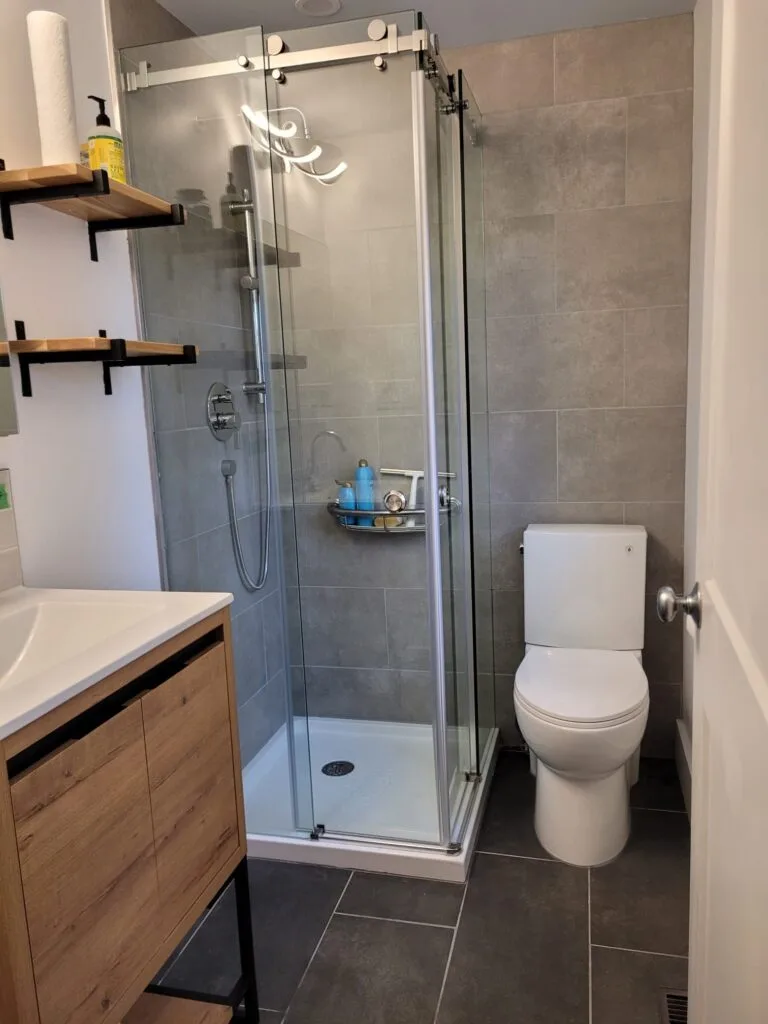
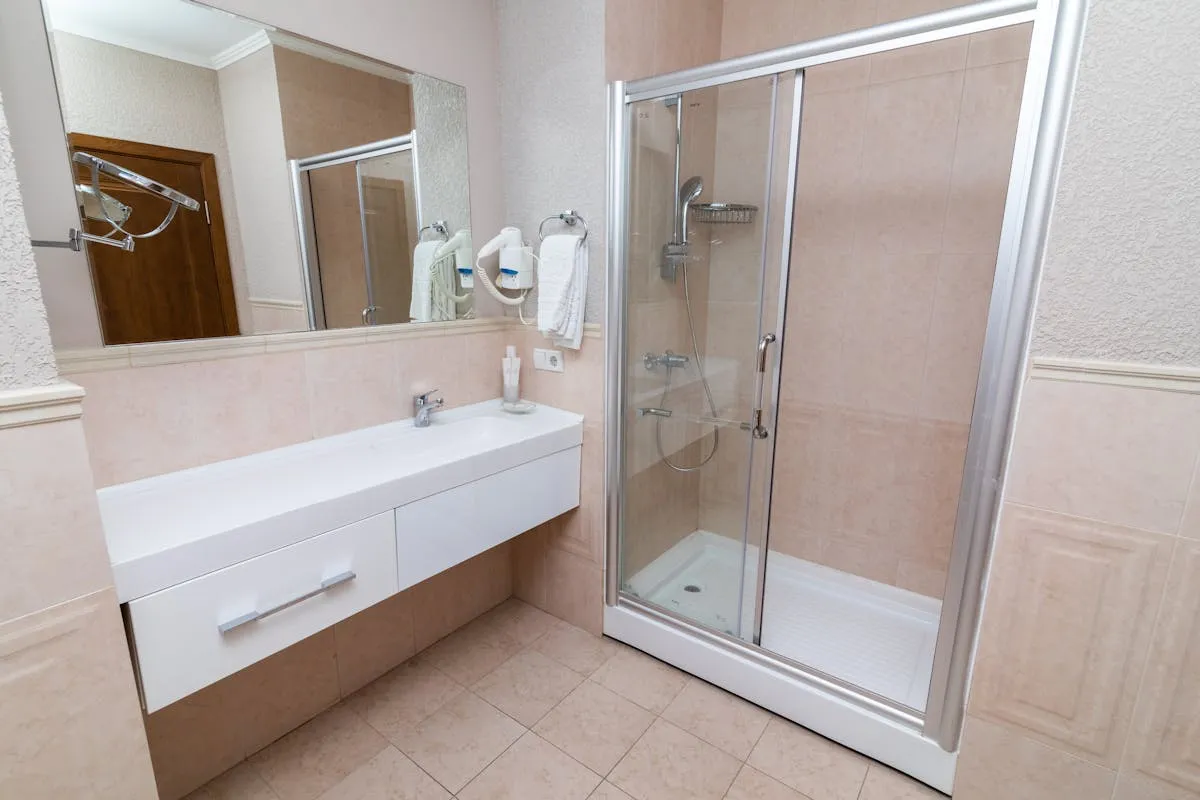
Removes the tub, installs a standard acrylic shower base, budget tile surround, basic fixtures, and a framed glass door or curtain rod. Gets the job done. If your only goal is to replace a tub you never use with a functional shower, this level works.
Mid-Range Conversion ($6,500 - $10,000)
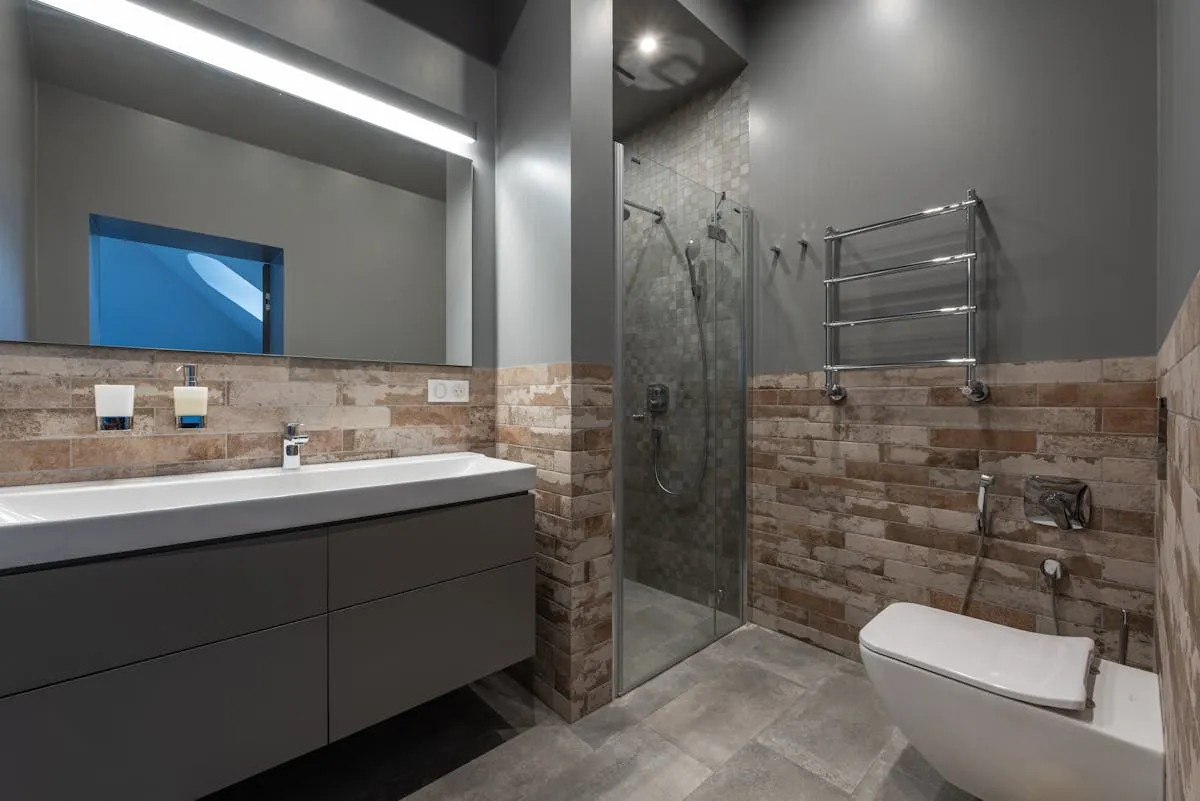
This is where most of our clients land. Includes a tile shower base (not acrylic), full tile walls, quality fixtures, a frameless or semi-frameless glass enclosure, and often a recessed niche for shampoo storage. This level gives you a shower that looks intentionally designed, not just installed.
Luxury Curbless Shower ($10,000 - $15,000+)
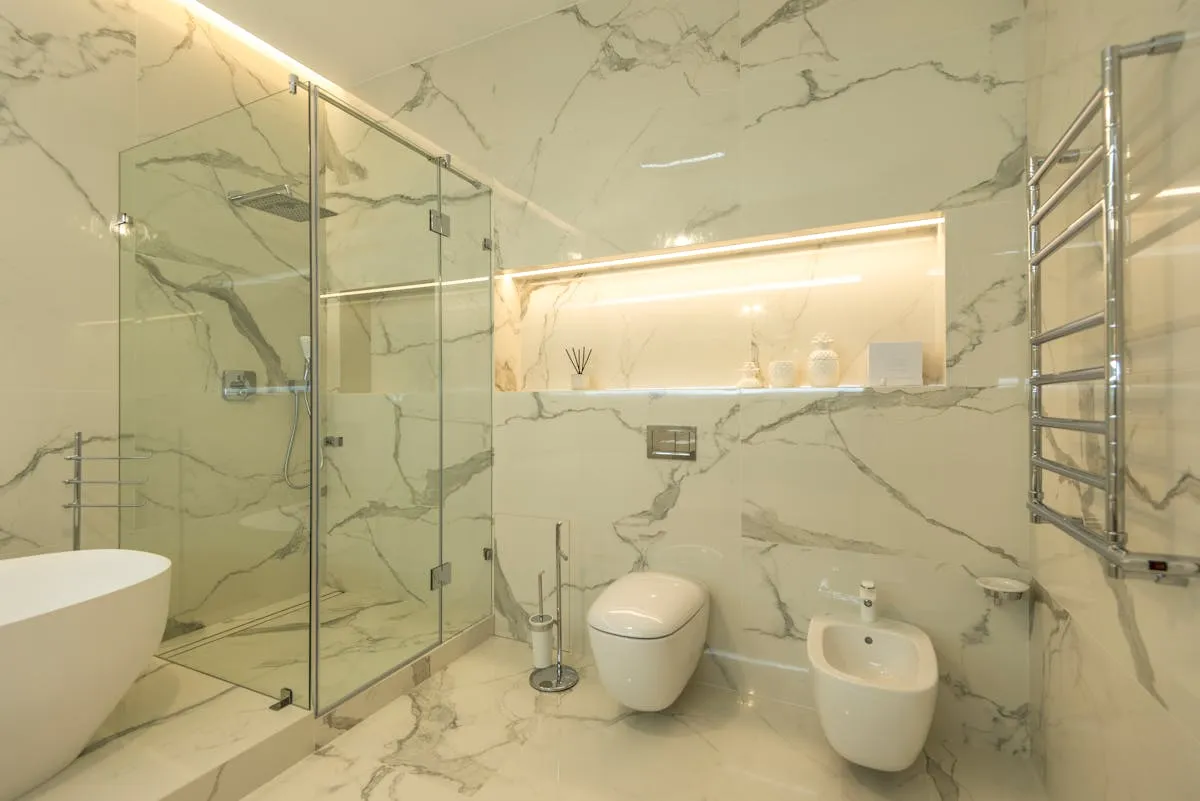
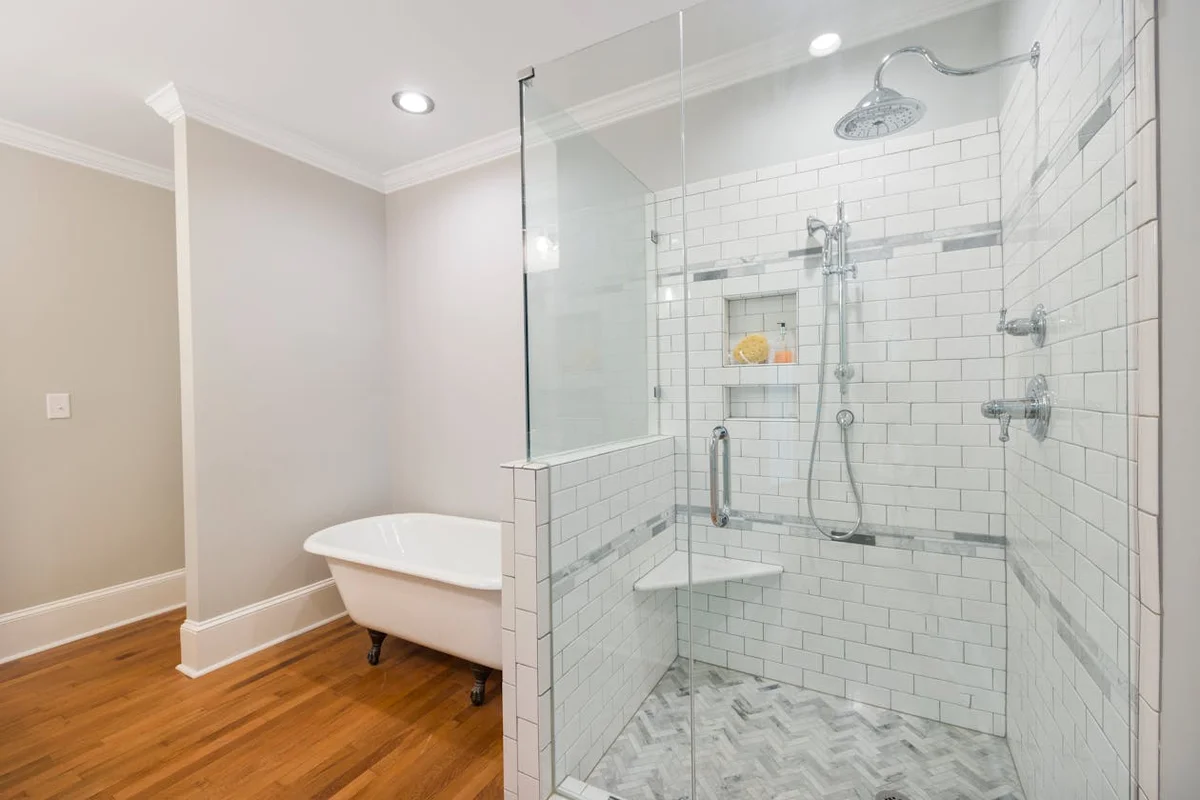
No step to enter—the floor slopes gently toward a linear drain. Premium tile, custom glass, high-end fixtures, maybe a rainfall showerhead. This is the option if you want a spa-level result or need accessibility features. See our aging-in-place bathroom guide for more on accessible design.
What's Included in a Conversion
A typical tub-to-shower conversion includes:
- Demolition: Removing the existing tub and surrounding tile/wall materials
- Plumbing adjustment: Moving the drain position and converting tub valves to shower valves
- Waterproofing: Proper moisture barrier installation (critical—this is what prevents water damage)
- Shower base: Either a prefab base or custom tile pan
- Wall tile: Tile installation from floor to ceiling in the shower area
- Glass enclosure: Door and panels or a frameless system
- Fixtures: Showerhead, valve/handle, any accessories
- Finishing: Trim, caulking, final details
Factors That Affect Your Cost
Plumbing Relocation
If your tub drain is in the middle and you want a linear drain along one edge, or if you're significantly changing the shower size, plumbing work adds $500-1,500. Minor adjustments (most conversions) are usually included in base pricing.
Shower Size
A standard tub alcove converts to roughly a 60"x32" shower. If you want to expand into adjacent space for a larger shower, costs increase with the additional tile, glass, and potentially structural work.
Tile Selection
Tile is where budgets can expand quickly. Basic subway tile: $3-8/sq ft. Mid-range porcelain: $8-15/sq ft. Premium natural stone: $20-50+/sq ft. For a shower surround needing 50-70 sq ft of tile, material choice matters.
Glass Type
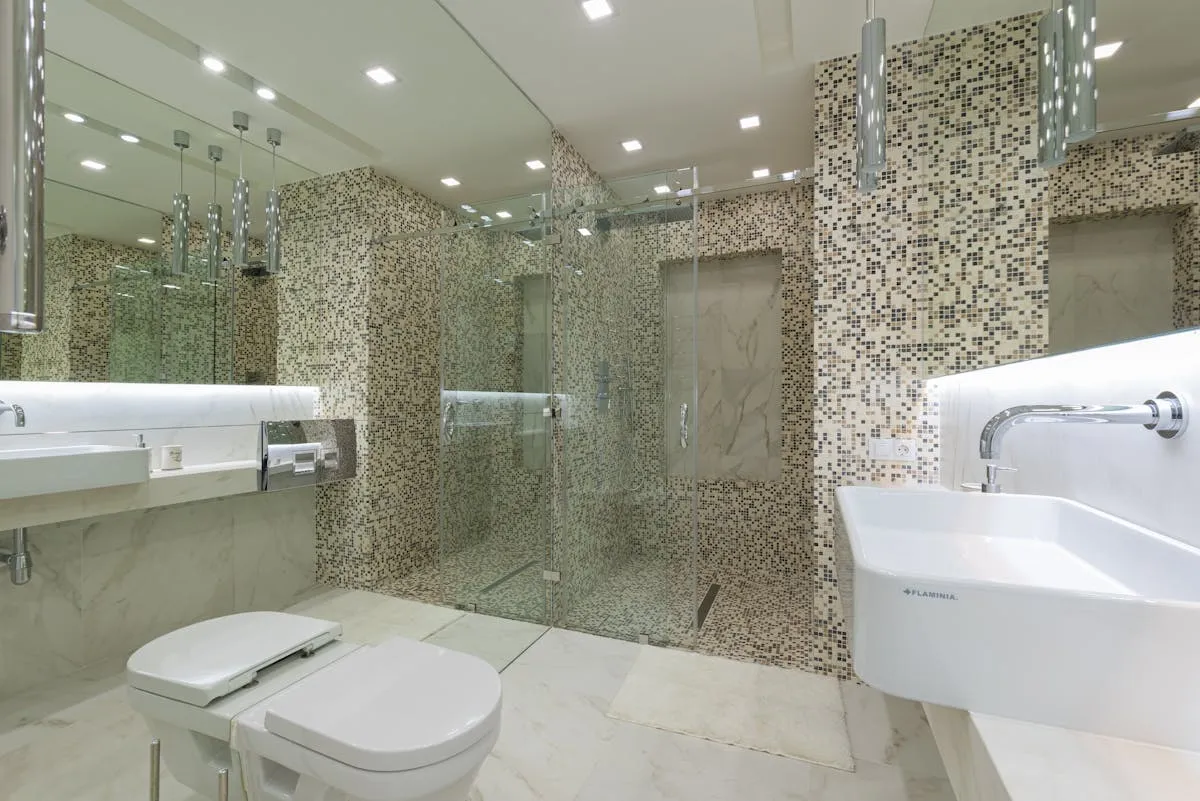
Framed doors cost less. Frameless glass is more expensive but creates a cleaner, more modern look. The difference is typically $500-1,500 depending on the enclosure size.
Accessibility Features
A curbless (zero-threshold) entry, grab bars, bench seating, and handheld showerheads all add cost but may be worth it for aging-in-place planning or current accessibility needs.
Timeline: How Long Does It Take?
Most tub-to-shower conversions take 3-5 working days:
- Day 1: Demo, rough plumbing
- Day 2: Waterproofing, base installation
- Day 3-4: Tile work
- Day 5: Glass, fixtures, finishing
Curbless showers take longer (the floor prep is more involved). Complex tile patterns add time. If we're also updating the rest of the bathroom, the project expands accordingly.
For a broader view of project timelines, check our renovation timeline guide.
Do You Need a Permit?
In most Vancouver-area municipalities:
- Same footprint, minor plumbing: Usually no permit needed
- Moving drain significantly: Plumbing permit likely required
- Expanding into adjacent space: Building permit may be needed
We advise on permit requirements based on your specific project. When permits are needed, we handle the application process. See our Vancouver permits guide for more details.
Is It Worth the Investment?
Tub-to-shower conversions make sense when:
- You never use the tub and would use a better shower daily
- You have another bathtub in the home (for resale appeal)
- Accessibility is a current or future concern
- The existing tub area feels cramped and outdated
Think twice if:
- This is your only tub and you might want baths in the future
- You have young kids who need baths
- You're planning to sell soon and the home would then have no tub (this can hurt resale)
For help deciding, see our walk-in shower vs bathtub comparison.
Frequently Asked Questions
Can any tub be converted to a shower?
Almost all standard alcove tubs can be converted. Corner tubs, drop-in tubs, and freestanding tubs require more extensive work since the surrounding structure is different. We assess convertibility during our initial consultation.
How long will my bathroom be unusable?
For a straight tub-to-shower conversion, 3-5 days. You'll need to use another bathroom during this time. If you only have one bathroom, plan accordingly—this might mean staying elsewhere or arranging temporary access to facilities.
Is a walk-in shower better than a bathtub for resale?
It depends on the home's overall configuration. If you have at least one tub elsewhere, a walk-in shower in the master often appeals to buyers. If removing the tub means no bathtub in the home, some buyers (especially families) may see that as a negative.
What's the difference between a curbed and curbless shower?
A curbed shower has a raised threshold (usually 3-6 inches) that you step over. A curbless shower has no barrier—the floor is level or slopes slightly toward the drain. Curbless looks sleeker and is fully accessible but costs more due to floor preparation.
Can I convert a tub to a shower in a condo?
Yes, with strata approval. The conversion itself is very doable in condos. You'll need to follow strata processes and work within building hours. See our condo bathroom renovation guide for details.
What about "one-day" shower conversions I see advertised?
These typically use prefabricated acrylic wall panels rather than tile. They're faster but look more basic. If "fast and functional" is your priority, they work. If you want a custom tile shower that looks intentionally designed, allow more time.
Get Your Conversion Quote
Every tub-to-shower conversion is a little different. We'd be happy to look at your bathroom, discuss your goals, and provide a clear quote with no surprises.
See our full bathroom renovation services or contact us for a free consultation.
Share this article
Ready to Get Started?
Contact us for a free consultation and quote for your renovation project.
Request A Free QuoteWritten by Larsen
Professional finishing carpenter with over 10 years of experience in kitchen and bathroom renovations across Vancouver.