Tub-to-Shower Conversion Cost Vancouver: 2026 Pricing Guide

Converting your bathtub to a walk-in shower is one of the most requested bathroom upgrades we do. People want more space, easier access, a more modern look—or they just never use the tub and figure they might as well have a shower they'll actually enjoy.
Whatever your reason, here's what it actually costs in Vancouver, what's included at each price point, and what you should know before committing.
Vancouver Tub-to-Shower Conversion Pricing
Let's get straight to numbers. Here's what tub-to-shower conversions cost in 2026:
- Basic Conversion$4,000 - $6,500
- Mid-Range Conversion$6,500 - $10,000
- Luxury Curbless Shower$10,000 - $15,000+
Basic Conversion ($4,000 - $6,500)
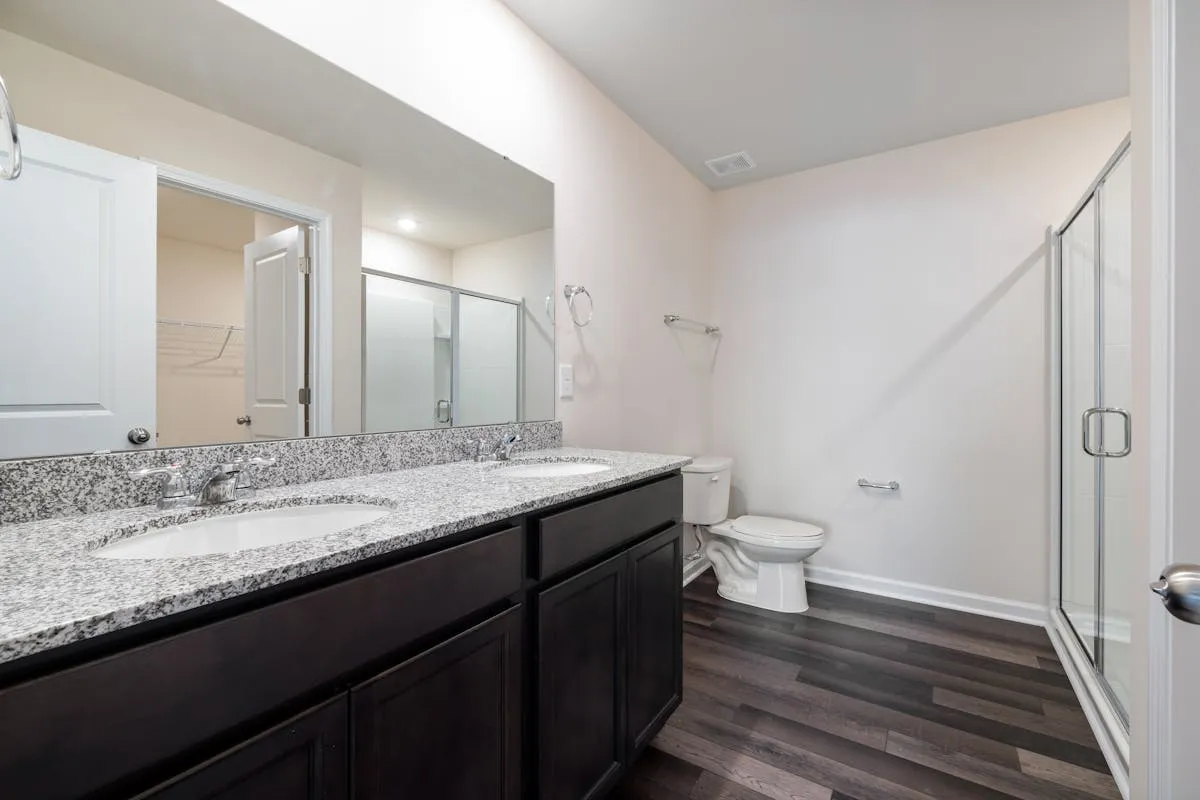
Removes the tub, installs a standard acrylic shower base, budget tile surround, basic fixtures, and a framed glass door or curtain rod. Gets the job done. If your only goal is to replace a tub you never use with a functional shower, this level works.
Mid-Range Conversion ($6,500 - $10,000)
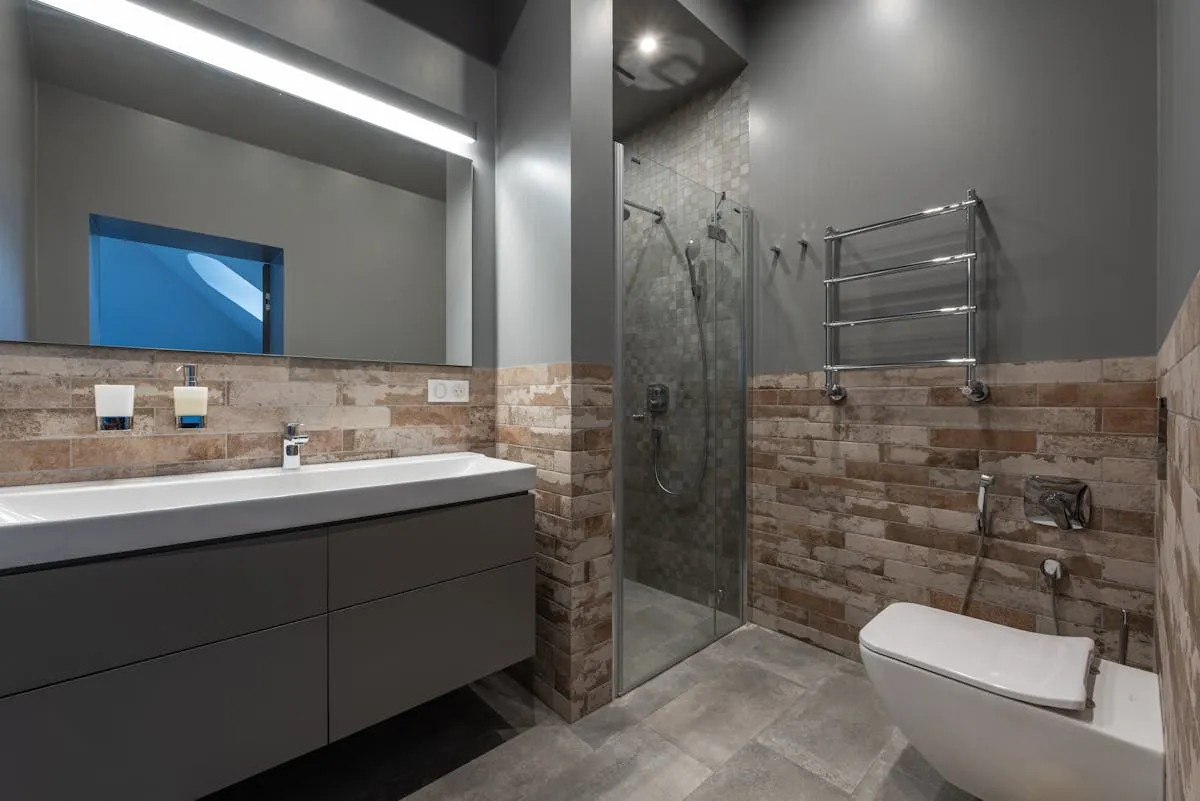
This is where most of our clients land. Includes a tile shower base (not acrylic), full tile walls, quality fixtures, a frameless or semi-frameless glass enclosure, and often a recessed niche for shampoo storage. This level gives you a shower that looks intentionally designed, not just installed.
Luxury Curbless Shower ($10,000 - $15,000+)
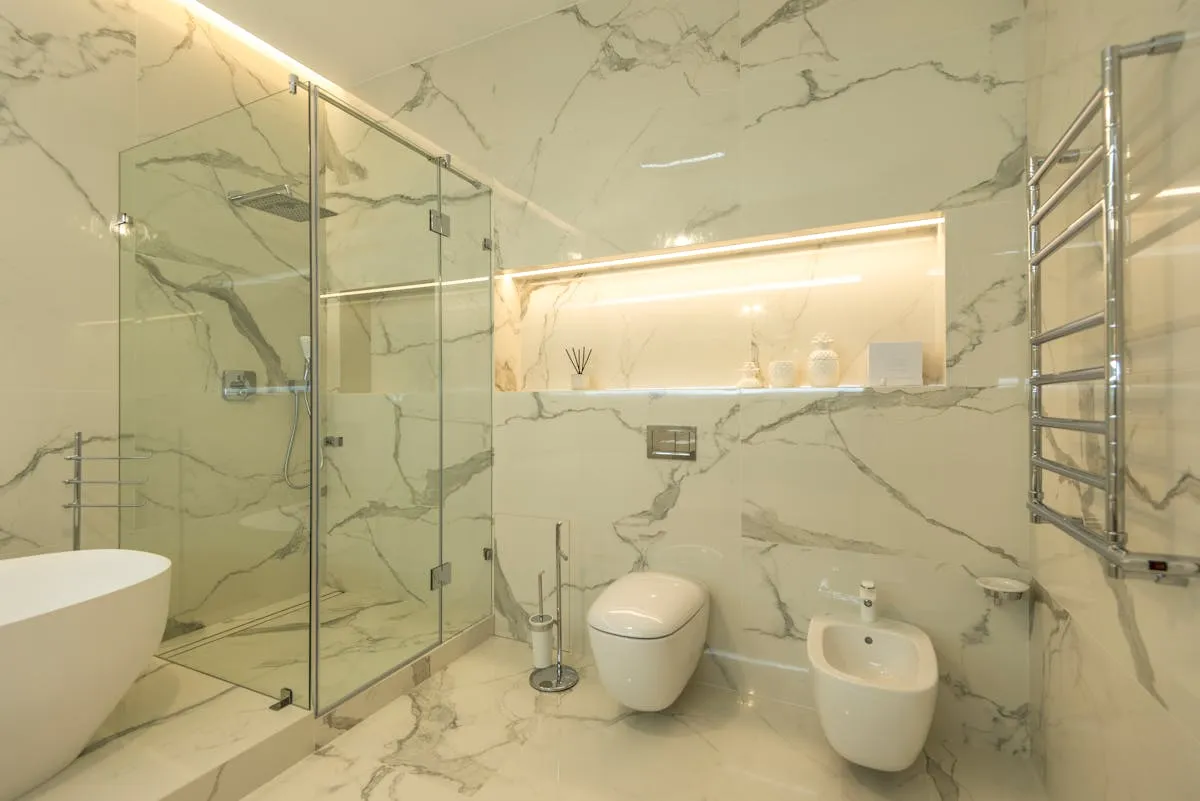
No step to enter—the floor slopes gently toward a linear drain. Premium tile, custom glass, high-end fixtures, maybe a rainfall showerhead. This is the option if you want a spa-level result or need accessibility features. See our aging-in-place bathroom guide for more on accessible design.
What's Included in a Conversion
A typical tub-to-shower conversion includes:
- Demolition: Removing the existing tub and surrounding tile/wall materials
- Plumbing adjustment: Moving the drain position and converting tub valves to shower valves
- Waterproofing: Proper moisture barrier installation (critical—this is what prevents water damage)
- Shower base: Either a prefab base or custom tile pan
- Wall tile: Tile installation from floor to ceiling in the shower area
- Glass enclosure: Door and panels or a frameless system
- Fixtures: Showerhead, valve/handle, any accessories
- Finishing: Trim, caulking, final details
Cost Breakdown by Component
Wondering where the money actually goes? Here's what each part of a tub-to-shower conversion costs individually. Not every project needs all of these, so your total depends on the scope of your specific conversion.
- Tub removal and disposal$300 - $800
- Drain relocation$500 - $1,200
- Plumbing valve conversion (tub to shower)$400 - $900
- Waterproofing membrane$500 - $1,000
- Tile and installation$1,500 - $5,000
- Glass enclosure$800 - $2,500
- Fixtures (showerhead, controls, accessories)$200 - $1,200
- Permits (City of Vancouver)$150 - $500
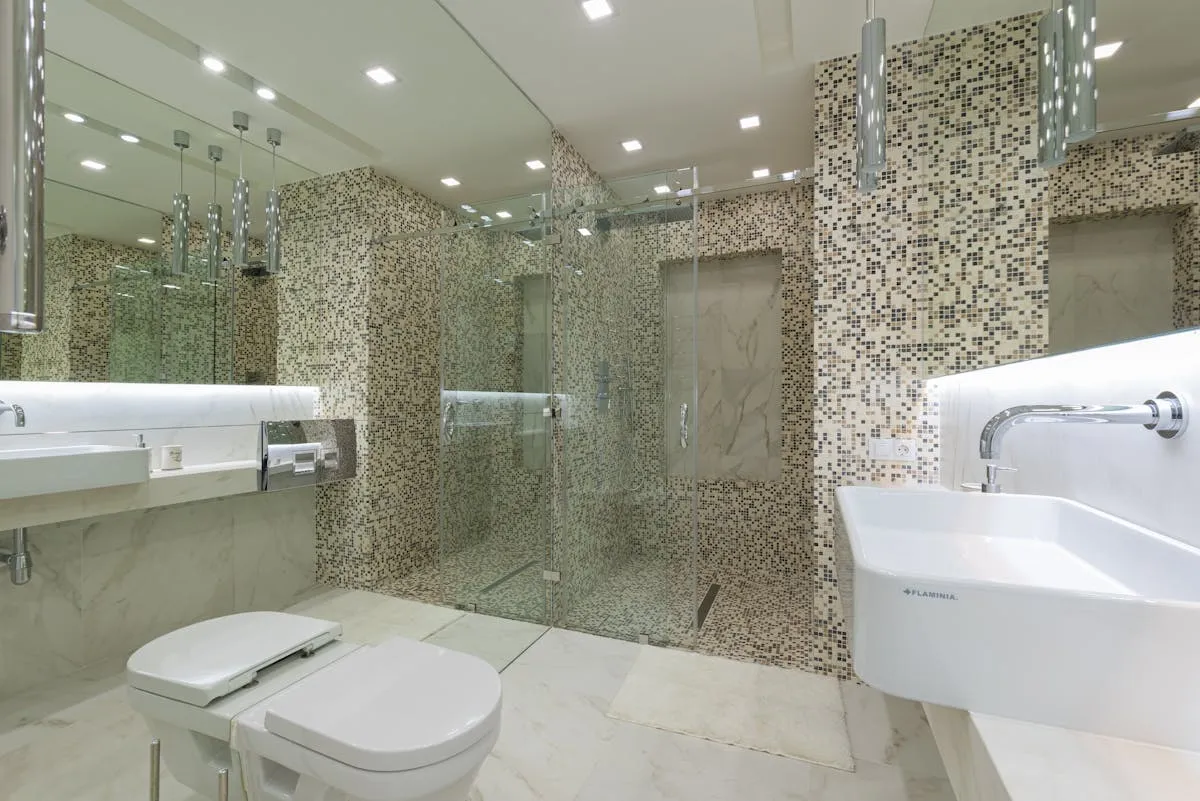
The biggest variable is usually tile. A basic subway tile surround and a simple acrylic pan keeps you at the low end. Large-format porcelain with a custom tile shower base pushes toward the higher numbers. Glass is the second biggest swing factor. A framed door on a standard base runs around $800, while a full frameless enclosure on a curbless shower can hit $2,500.
Drain relocation is only necessary if you're changing the shower size or switching to a linear drain. If the new shower sits in the same footprint as the old tub, the drain work is minimal and often included in the base labour cost.
One thing to keep in mind: waterproofing is never the place to cut corners. A properly installed membrane (we use Schluter KERDI or equivalent) protects the wall structure behind your tile from moisture. Cheap waterproofing means expensive repairs later. We include this in every conversion regardless of tier.
Factors That Affect Your Cost
Plumbing Relocation
If your tub drain is in the middle and you want a linear drain along one edge, or if you're significantly changing the shower size, plumbing work adds $500-1,500. Minor adjustments (most conversions) are usually included in base pricing.
Shower Size
A standard tub alcove converts to roughly a 60"x32" shower. If you want to expand into adjacent space for a larger shower, costs increase with the additional tile, glass, and potentially structural work.
Tile Selection
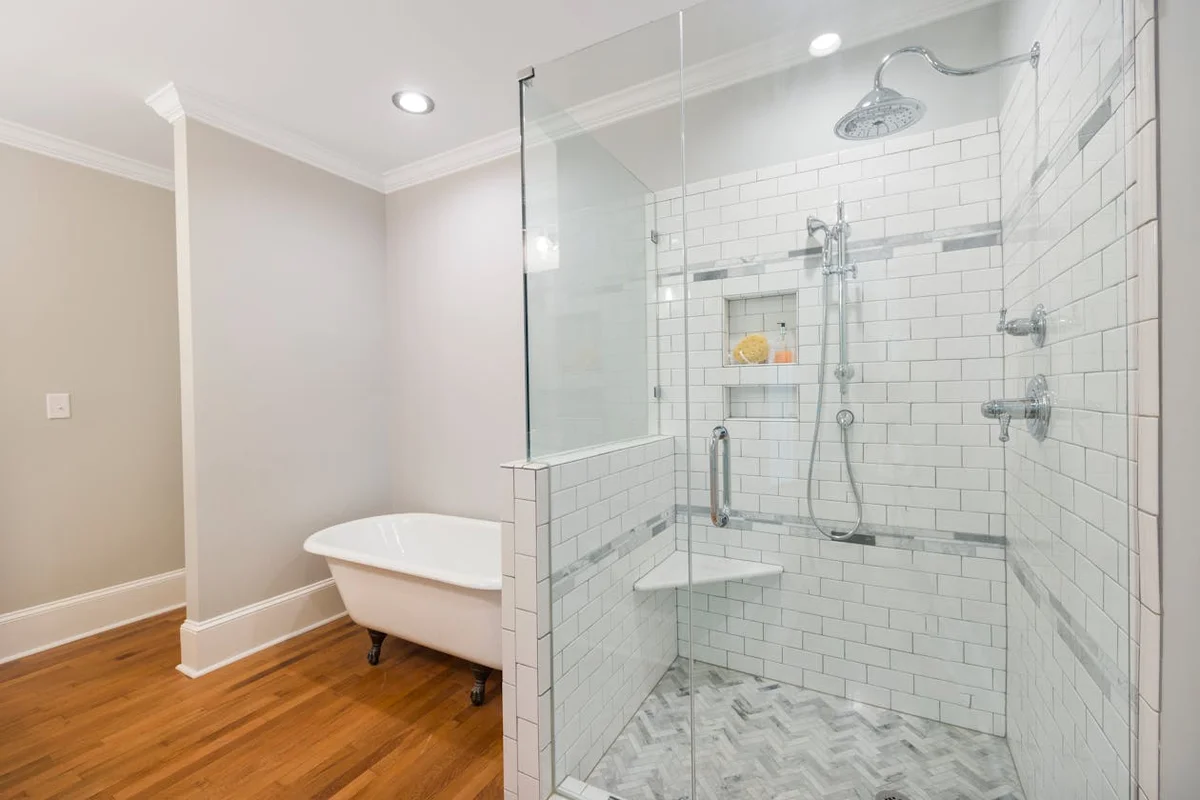
Tile is where budgets can expand quickly. Basic subway tile: $3-8/sq ft. Mid-range porcelain: $8-15/sq ft. Premium natural stone: $20-50+/sq ft. For a shower surround needing 50-70 sq ft of tile, material choice matters.
Glass Type
Framed doors cost less. Frameless glass is more expensive but creates a cleaner, more modern look. The difference is typically $500-1,500 depending on the enclosure size.
Budget Alternatives Worth Knowing About
Not every situation calls for a full custom conversion. If you're working with a tight budget, updating a rental property, or need a temporary solution while you plan a bigger renovation down the road, there are two options worth considering.
Tub cut-out conversions ($800 - $2,000): A section of your existing tub wall is cut away and a step-through insert is installed. The tub stays, but you get a low-entry point that makes stepping in and out much easier. This is popular for accessibility and can be done in a single day. The downside is that it still looks like a modified bathtub, because that's exactly what it is. Companies like Bathway in Vancouver specialize in this.
Prefab acrylic liner systems ($2,500 - $6,000): Companies like Bath Fitter install custom-molded acrylic walls and a shower base directly over your existing surfaces. Installation takes one to two days, the result is clean and functional, and the cost is well below a full tile conversion. The trade-off is that acrylic panels look more basic than custom tilework. They're smooth and uniform, which some people prefer but most homeowners find less attractive than real tile. Good for rental suites, secondary bathrooms, or when budget is the main concern.
Both of these options get the job done for less money and less disruption. But if you want a shower that adds real value to your home and looks like it was designed on purpose, a custom tile conversion is the way to go. For a full comparison of bathroom renovation approaches, see our complete bathroom renovation cost guide.
Accessibility Features
A curbless (zero-threshold) entry, grab bars, bench seating, and handheld showerheads all add cost but may be worth it for aging-in-place planning or current accessibility needs. If a seated soak matters more than daily shower speed, also see our walk-in tub installation cost guide for how that option compares.
Timeline: How Long Does It Take?
Most tub-to-shower conversions take 3-5 working days:
- Day 1: Demo, rough plumbing
- Day 2: Waterproofing, base installation
- Day 3-4: Tile work
- Day 5: Glass, fixtures, finishing
Curbless showers take longer (the floor prep is more involved). Complex tile patterns add time. If we're also updating the rest of the bathroom, the project expands accordingly.
For a broader view of project timelines, check our renovation timeline guide.
Do You Need a Permit?
In most Vancouver-area municipalities:
- Same footprint, minor plumbing: Usually no permit needed
- Moving drain significantly: Plumbing permit likely required
- Expanding into adjacent space: Building permit may be needed
We advise on permit requirements based on your specific project. When permits are needed, we handle the application process. See our Vancouver permits guide for more details.
Minimum Shower Size & BC Building Code
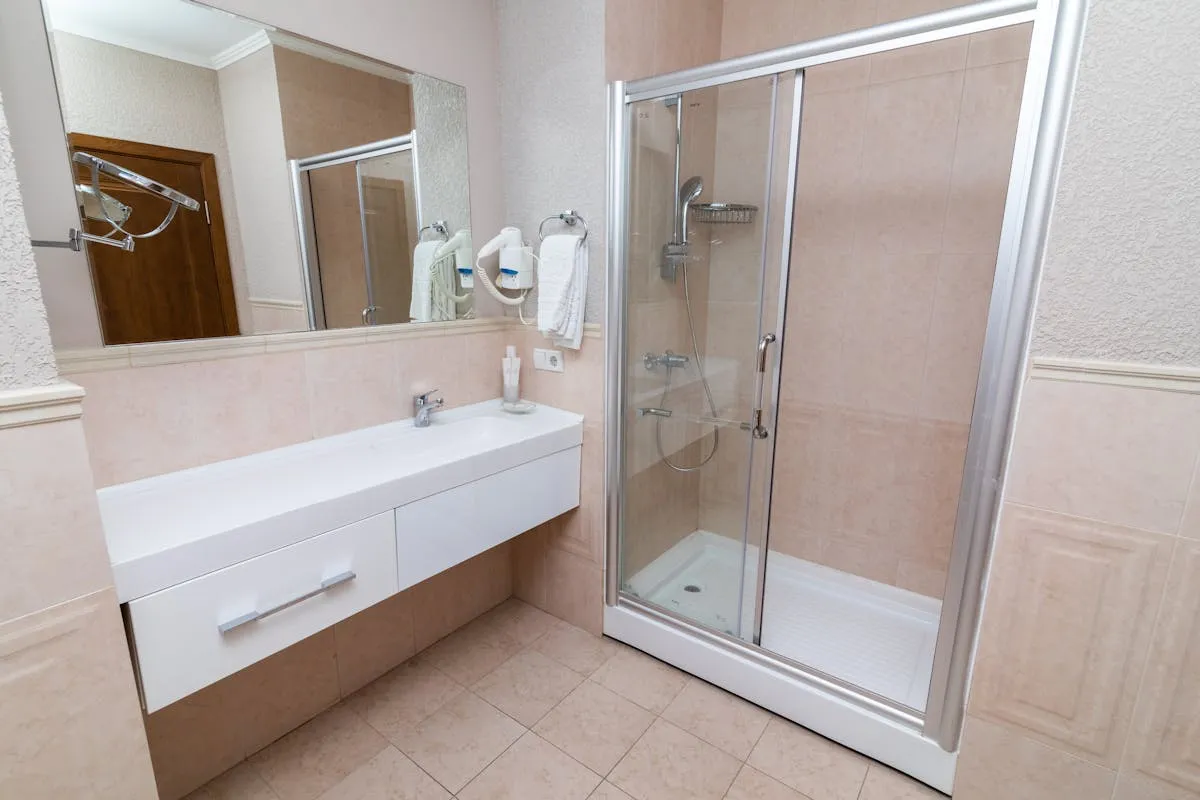
Before you commit to a layout, know the rules. The BC Building Code requires a minimum interior shower dimension of 36" x 36". That's the legal minimum. In practice, we recommend at least 36" x 48" for a comfortable daily shower, and 48" x 48" or larger if you want a bench or dual showerheads.
Most standard tub alcoves are 60" x 30-32", which gives you plenty of length to work with when converting. The width is the constraint. In older Vancouver homes—especially those built in the 1960s-1980s in neighbourhoods like Kitsilano, Dunbar, and East Vancouver—bathroom layouts tend to be tight. We've done conversions in Burnaby townhomes, Surrey ranchers, and North Vancouver split-levels where every inch matters.
A few code details that affect your conversion:
- Drain: Must be accessible for maintenance (no burying it under permanent structures)
- Waterproofing: The shower pan and walls must form a continuous waterproof membrane up to a minimum height of 72" (6 feet)
- Ventilation: Bathrooms need either a window or an exhaust fan rated for the room size. If yours is marginal, we may upgrade it during the conversion
- GFCI protection: Any electrical outlets within 1.5 metres of the shower must be GFCI protected
We handle all of this as part of the project. You don't need to memorize building code—but knowing the constraints helps you understand why certain layouts work and others don't.
Is It Worth the Investment?
Tub-to-shower conversions make sense when:
- You never use the tub and would use a better shower daily
- You have another bathtub in the home (for resale appeal)
- Accessibility is a current or future concern
- The existing tub area feels cramped and outdated
Think twice if:
- This is your only tub and you might want baths in the future
- You have young kids who need baths
- You're planning to sell soon and the home would then have no tub (this can hurt resale)
For help deciding, see our walk-in shower vs bathtub comparison.
Does a Shower Conversion Increase Your Home's Value?
Bathroom renovations in Metro Vancouver typically return 60-70% of what you spend at resale. A mid-range tub-to-shower conversion at $8,000 could add roughly $5,000-$5,600 to your home's value. Not a money-maker on its own, but it makes your home show better and sell faster in a competitive market.
Modern walk-in showers appeal to most buyers in Vancouver right now. Open, glass-enclosed showers photograph well in listings and match what people see on design blogs and social media. That said, removing the only bathtub in a home is a real risk. Families with young children want at least one tub, and in a market where condos and townhomes already lack tub space, buyers notice when there isn't one. If your home has two or more bathrooms with tubs, converting one is almost always a smart move.
The ROI also depends on the quality of the work. A well-tiled walk-in shower with frameless glass reads as an upgrade. Cheap acrylic panels signal "quick flip" to experienced buyers, which can actually work against you.
Frequently Asked Questions
Can any tub be converted to a shower?
Almost all standard alcove tubs can be converted. Corner tubs, drop-in tubs, and freestanding tubs require more extensive work since the surrounding structure is different. We assess convertibility during our initial consultation.
How long will my bathroom be unusable?
For a straight tub-to-shower conversion, 3-5 days. You'll need to use another bathroom during this time. If you only have one bathroom, plan accordingly—this might mean staying elsewhere or arranging temporary access to facilities.
Is a walk-in shower better than a bathtub for resale?
It depends on the home's overall configuration. If you have at least one tub elsewhere, a walk-in shower in the master often appeals to buyers. If removing the tub means no bathtub in the home, some buyers (especially families) may see that as a negative.
What's the difference between a curbed and curbless shower?
A curbed shower has a raised threshold (usually 3-6 inches) that you step over. A curbless shower has no barrier—the floor is level or slopes slightly toward the drain. Curbless looks sleeker and is fully accessible but costs more due to floor preparation.
Can I convert a tub to a shower in a condo?
Yes, with strata approval. The conversion itself is very doable in condos. You'll need to follow strata processes and work within building hours. See our condo bathroom renovation guide for details.
What about "one-day" shower conversions I see advertised?
These typically use prefabricated acrylic wall panels rather than tile. They're faster but look more basic. If "fast and functional" is your priority, they work. If you want a custom tile shower that looks intentionally designed, allow more time.
Is it cheaper to replace a tub or convert to a shower?
Replacing a tub with a new tub typically costs $1,500-$5,000 if the plumbing stays the same, since you're swapping like-for-like. A tub-to-shower conversion costs more ($4,000-$15,000) because it involves relocating the drain, changing the valve configuration, waterproofing, tiling, and adding a glass enclosure. It's a different scope of work. If your tub is just worn out and you still want a tub, replacing it is cheaper. If you want a shower you'll actually use every day, the conversion cost is worth it.
How much does a tub cut conversion cost in Vancouver?
A tub cut (where part of the tub wall is removed and replaced with a step-through insert) runs $800-$2,000 in Vancouver. It's a same-day job. The tub itself stays in place. This is a popular option for improving accessibility on a budget, but it doesn't give you a true shower. The tub still functions as a tub with a lower entry point.
Does converting a tub to shower increase home value?
It can, yes. Bathroom renovations in the Vancouver market typically return 60-70% of the investment. A modern walk-in shower appeals to most buyers, especially in the primary bathroom. The important thing is to keep at least one bathtub in the home. Removing the only tub can actually reduce appeal for families. If you have two bathrooms with tubs, converting one to a walk-in shower is almost always a positive for resale.
Maintaining Your New Walk-In Shower
A properly built shower conversion should last 15-20 years before needing significant work. But "properly built" includes ongoing care. Here's what keeps things looking good long-term:
- Squeegee after each use. Takes 30 seconds. Prevents 90% of hard water buildup and soap scum on glass
- Reseal grout every 12-18 months. Grout is porous. Unsealed grout absorbs moisture and stains. A $15 bottle of grout sealer and 20 minutes of work protects your investment
- Check caulk lines annually. The silicone caulk where your shower pan meets the walls and where glass meets tile will eventually crack or peel. Replacing it early prevents water from getting behind your tile
- Keep the drain clear. Hair and soap residue build up over time. A monthly flush with hot water and a drain snake prevents slow drains that cause standing water
- Ventilation matters. Run your exhaust fan for at least 15 minutes after every shower. Humidity is what causes mould in Vancouver bathrooms—not the shower itself. Homes in Coquitlam, Port Moody, and the North Shore get more rain and humidity than average, so proper ventilation is especially important
If you notice grout cracking, tiles loosening, or persistent musty smells within the first few years, something went wrong during installation—likely waterproofing. That's why hiring a contractor who does proper membrane work matters more than saving a few hundred dollars upfront. We warranty our waterproofing because we trust the materials and methods we use.
Get Your Conversion Quote
Every tub-to-shower conversion is a little different. We'd be happy to look at your bathroom, discuss your goals, and provide a clear quote with no surprises.
See our full bathroom renovation services or contact us for a free consultation.
Share this article
Ready to Get Started?
Contact us for a free consultation and quote for your renovation project.
Request A Free QuoteWritten by Larson Hiller
Larson Hiller is the owner of Sweet Finishes and personally leads every project. Over 10 years and 300+ completed kitchen and bathroom renovations across Greater Vancouver and the Fraser Valley. More about Larson →