Aging-in-Place Bathroom Guide Vancouver (2026)

Most people don't think about bathroom accessibility until they need it—after a fall, after surgery, after mobility changes that make a standard bathroom suddenly feel dangerous. By then, you're renovating under pressure, making rushed decisions, and paying more for expedited work.
Here's a better approach: plan for aging in place now, even if you don't need accessibility features today. The upgrades that make bathrooms safer for seniors also make them more comfortable and functional for everyone. And when done thoughtfully, they look stylish—not institutional.
Why Plan for Aging in Place Now
A few reasons to think about this before it's urgent:
- It's cheaper to include features during a renovation than to retrofit later. Adding blocking for grab bars during a tile job costs almost nothing. Doing it after the tile is installed means opening walls.
- Accessible design often looks better. Curbless showers are sleeker than stepped ones. Wider doorways feel more spacious. Good lighting helps everyone.
- You might need them sooner than you think. A temporary injury, surgery recovery, or mobility change can happen at any age.
- It protects your ability to stay in your home. The bathroom is the most common place for falls. Making it safer extends independent living.
Essential Safety Features
Grab Bars & Rails
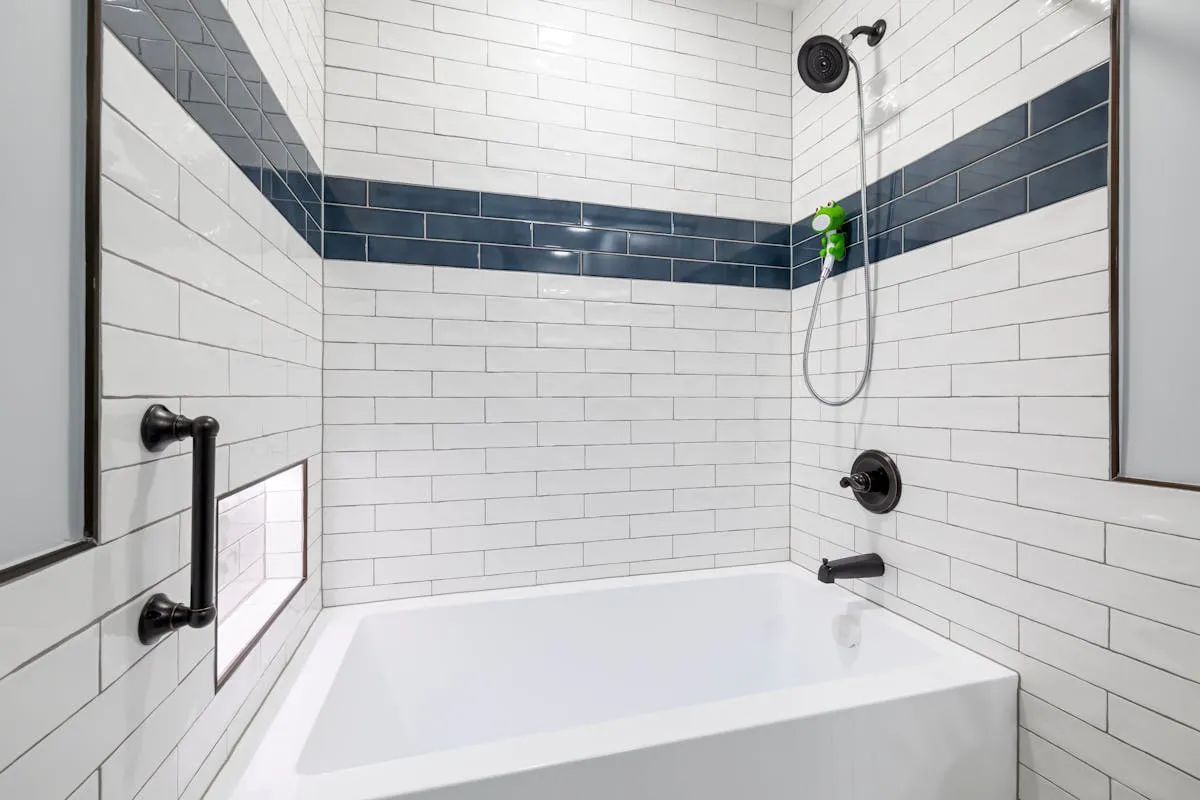
The most important accessibility feature. Modern grab bars look nothing like hospital equipment—they come in finishes to match your fixtures (brushed nickel, matte black, chrome) and can be incorporated into towel bar designs.
Key locations: beside the toilet, inside the shower, near the tub if you're keeping one. Even if you don't install grab bars now, have your contractor add blocking (solid backing inside the walls) so you can install them later without major work.
Curbless (Zero-Threshold) Showers
No step to trip over. Water containment is handled through proper floor slope to a linear drain. Curbless showers are simultaneously the most accessible option and often the most stylish—they're popular in high-end spa bathrooms too.
See our tub-to-shower conversion pricing guide for curbless shower costs.
Non-Slip Flooring
Tile with appropriate slip resistance (look for tiles rated for wet areas) is essential. Smaller tiles with more grout lines provide better traction. Textured tiles offer grip without looking industrial. We can test slip ratings on specific tiles you're considering.
Comfort-Height Toilets
Standard toilets are 15 inches high. Comfort-height (ADA-compliant) toilets are 17-19 inches—much easier to sit down on and stand up from. This small change makes a big difference for anyone with knee or hip issues.
Lever Faucets
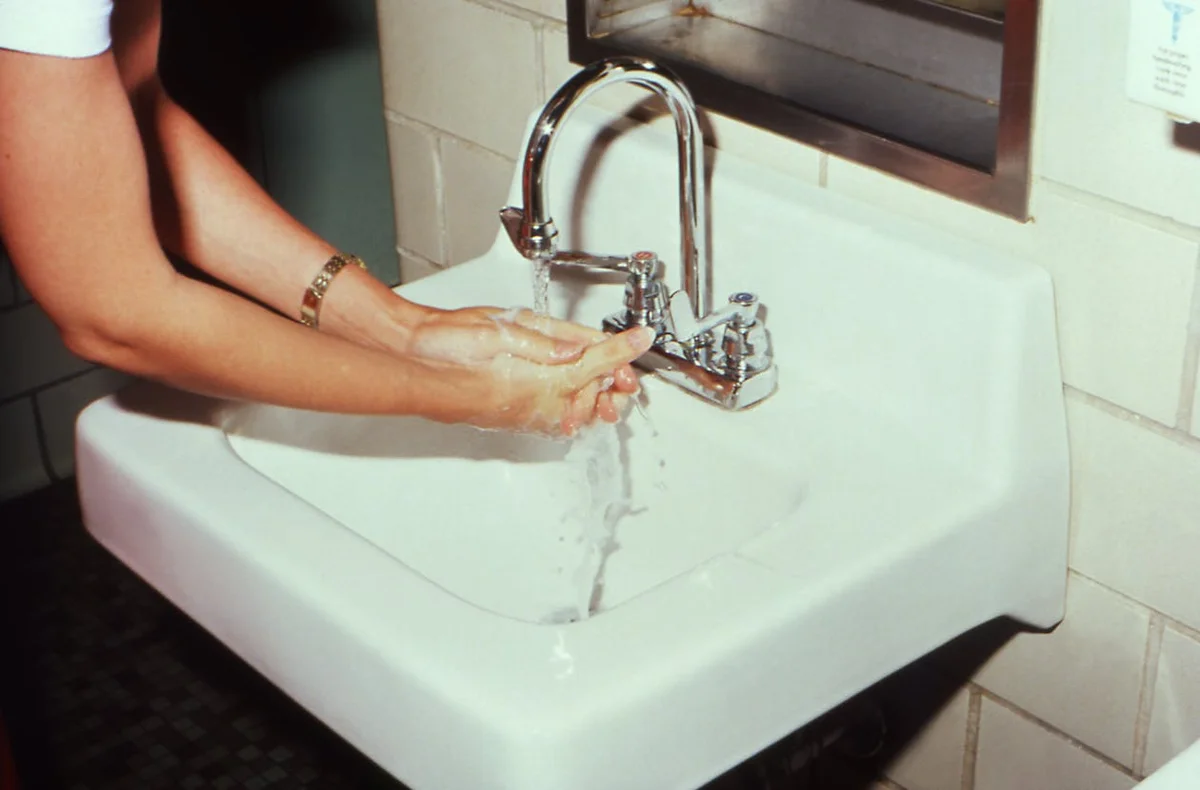
Single-lever handles are easier to operate than knobs, especially for people with arthritis or reduced grip strength. They're also easier to use when your hands are wet or soapy. Most modern faucet styles come in lever versions.
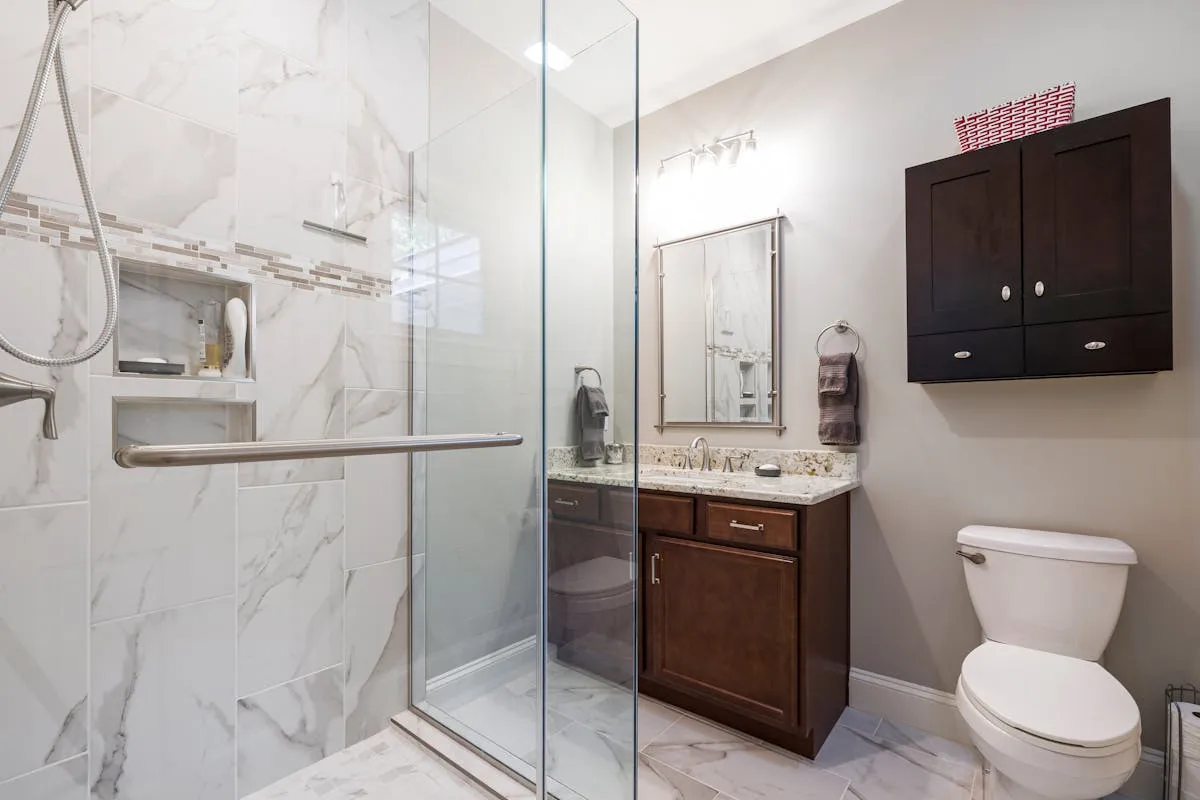
Lighting for Safety
Poor lighting contributes to falls. Aging-in-place bathrooms need:
- Brighter overall illumination than you might think necessary. Older eyes need more light.
- Night lighting (motion-activated path lights or under-vanity LEDs) for midnight bathroom trips.
- Good task lighting at the vanity for grooming, medication management, and seeing clearly in the mirror.
- No dark corners where depth perception becomes difficult.
Layout & Space Planning
For full wheelchair accessibility:
- 60-inch turning radius required in the main bathroom area
- 32-36 inch clear door opening (standard interior doors are often only 28 inches)
- Open knee space under the vanity for roll-under access
- Grab bar placement following ADA guidelines
Even if you don't need full wheelchair access, more space and wider doorways make bathrooms feel better for everyone.
Costs in Vancouver
- Basic Safety Modifications$2,000 - $5,000
- Moderate Accessibility Upgrades$5,000 - $15,000
- Full Accessible Bathroom Remodel$15,000 - $35,000
Basic modifications include grab bars, non-slip flooring, comfort-height toilet, and lever fixtures—without major reconstruction.
Moderate upgrades add a curbless shower, bench seating, improved lighting, and possibly door widening.
Full remodel involves complete reconstruction with full accessibility standards—turning radius, roll-under vanity, reinforced grab bar locations, and premium finishes.
For broader bathroom renovation costs, see our complete pricing guide.
BC Grants & Funding Programs
Several programs help offset accessibility renovation costs:
BC Home Adaptations for Independence (HAFI)
Provides financial assistance to eligible low-income individuals for home modifications that support independent living. Covers grab bars, ramps, bathroom modifications, and other accessibility features. Income-tested.
CMHC Home Modifications for Seniors
The Canada Mortgage and Housing Corporation offers renovation programs that sometimes include accessibility upgrades. Check current program availability—options change periodically.
Federal Home Accessibility Tax Credit (HATC)
Non-refundable tax credit for qualifying accessibility renovation expenses. You can claim up to $20,000 in expenses (15% credit = up to $3,000 tax reduction). Covers renovations for seniors and people with disabilities.
We recommend consulting with a financial advisor or accountant about which programs apply to your situation.
Frequently Asked Questions
At what age should I consider aging-in-place renovations?
There's no magic age. If you're planning a bathroom renovation at any point after 50, it makes sense to include accessibility features—they cost little when done as part of a larger project and will serve you for decades. Many of our clients in their 40s and 50s include these features for parents who visit or as future planning.
Will accessible features make my bathroom look institutional?
Not if designed well. Modern grab bars look like designer fixtures. Curbless showers are a luxury feature. Comfort-height toilets look identical to standard ones. The goal is universal design—spaces that work for everyone without advertising that they're "accessible."
Can I add grab bars without a full renovation?
Yes. If you have solid backing in your walls (wooden blocking), grab bars can be installed in an hour. If there's no blocking, installation requires opening the wall to add it. This is why we recommend adding blocking during any bathroom renovation—even if you don't install bars immediately.
Is a walk-in tub a good option?
Walk-in tubs work for some people but have drawbacks: you have to wait inside while the tub fills and drains, they're expensive, and they take up significant space. For most clients, we recommend a curbless walk-in shower with a bench instead—it's more versatile, easier to use, and looks better.
What's the most important single feature?
If we had to pick one: proper grab bars at the toilet and in the shower. These are the locations where most bathroom falls occur. Grab bars are relatively inexpensive, easy to install with proper backing, and can be the difference between a safe transfer and a serious injury.
Do aging-in-place renovations affect home value?
Generally neutral to positive, especially in Vancouver's market where many buyers are thinking about multi-generational living or their own aging. Features like curbless showers and comfort-height toilets are now mainstream preferences. Obvious hospital-style features might not appeal to all buyers, but thoughtfully designed universal features typically enhance value.
Schedule an Accessibility Consultation
We design and build accessible bathrooms throughout Greater Vancouver—spaces that are safe, beautiful, and support independent living. Whether you're planning now for the future or need modifications right away, we can help.
See our full bathroom renovation services or contact us for a free consultation.
Share this article
Ready to Get Started?
Contact us for a free consultation and quote for your renovation project.
Request A Free QuoteWritten by Larsen
Professional finishing carpenter with over 10 years of experience in kitchen and bathroom renovations across Vancouver.