Walk-In Shower vs Bathtub: Which to Choose

"Should I keep the tub or go with a walk-in shower?" It's one of the most common questions we get from Vancouver homeowners planning bathroom renovations. The answer isn't the same for everyone—it depends on your lifestyle, your home configuration, and how you actually use your bathroom.
Here's a straightforward comparison to help you decide.
Walk-In Shower: Pros and Cons
Advantages
- Space efficient: Can fit in smaller footprints than tub/shower combos
- Easier access: No stepping over a tub edge, better for mobility concerns
- Faster to use: Most people shower daily; baths are occasional
- Easier to clean: No tub basin to scrub
- Modern aesthetic: Frameless glass showers feel current and spacious
- Better for aging in place: Curbless options eliminate fall risk
Disadvantages
- No bathing option: Can't soak when you want to relax
- Harder with young kids: Bathing children in a shower is difficult
- Resale consideration: Homes with no tub can be harder to sell to families
- Glass maintenance: Shower doors show water spots and need regular cleaning
Bathtub: Pros and Cons
Advantages
- Bathing option: Soaking, bubble baths, relaxation
- Essential for young children: Much easier than showering kids
- Resale appeal: Many buyers want at least one tub in a home
- Freestanding tubs: Can be a stunning design focal point
- Soaking therapy: Beneficial for muscle recovery, stress relief
Disadvantages
- Takes more space: Standard tubs are 60" long minimum
- Accessibility challenges: Stepping over the tub edge creates fall risk
- Uses more water: A bath uses 70+ gallons vs ~20 for a shower
- Often underused: Many people have tubs they rarely use
- Harder to clean: Tub basins collect soap scum and require scrubbing

Cost Comparison (Vancouver 2026)
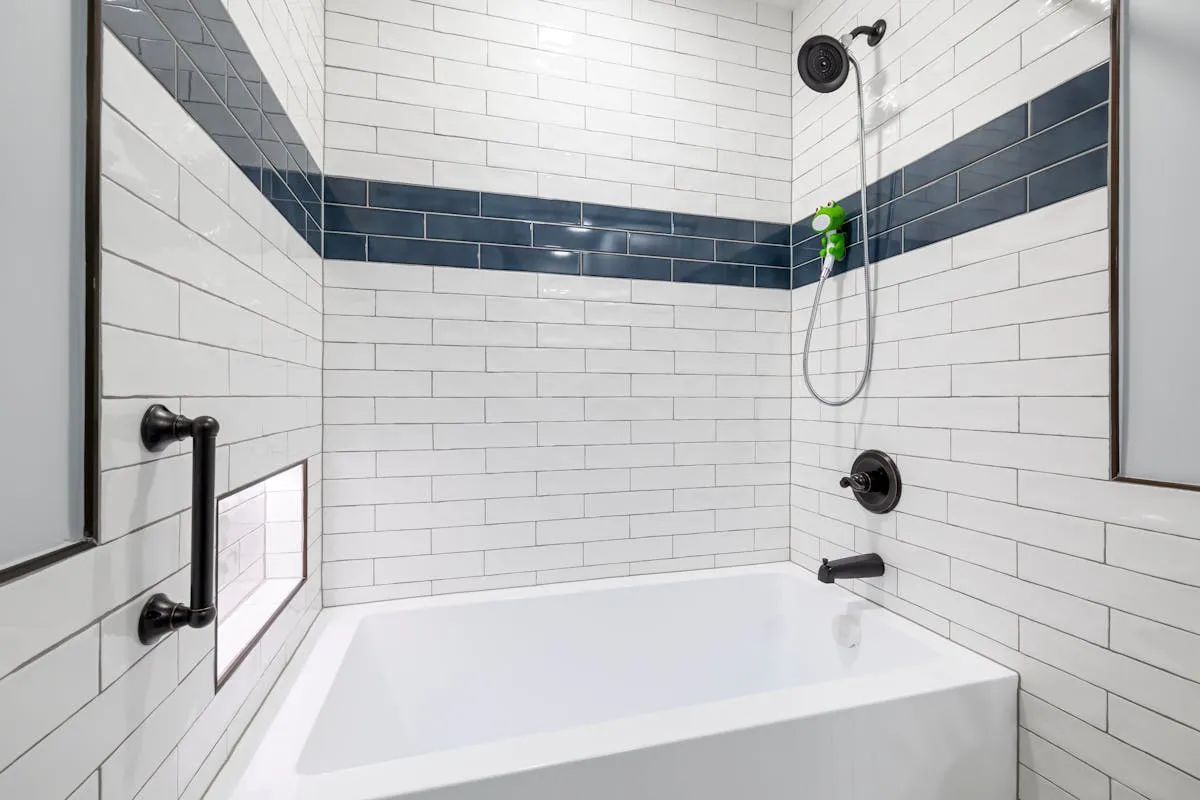
- Basic alcove tub installation$3,000 - $5,000
- Walk-in shower (standard)$4,000 - $8,000
- Freestanding soaking tub$5,000 - $12,000
- Walk-in shower (curbless/luxury)$10,000 - $15,000
- Tub-to-shower conversion$4,000 - $15,000
For detailed conversion pricing, see our tub-to-shower conversion cost guide.
Space Considerations
Small Bathrooms
In compact spaces, a walk-in shower almost always makes more sense. A well-designed shower with frameless glass can make a small bathroom feel larger than a tub/shower combo would. If space is under 40 square feet, we typically recommend shower-only unless there's no other tub in the home.
Medium Bathrooms
You have options. A 60"x32" shower fits where a standard tub would go. Or keep the tub if baths matter to you. This is where lifestyle questions matter most—do you actually use a tub, or is it just taking up space?
Large Master Bathrooms
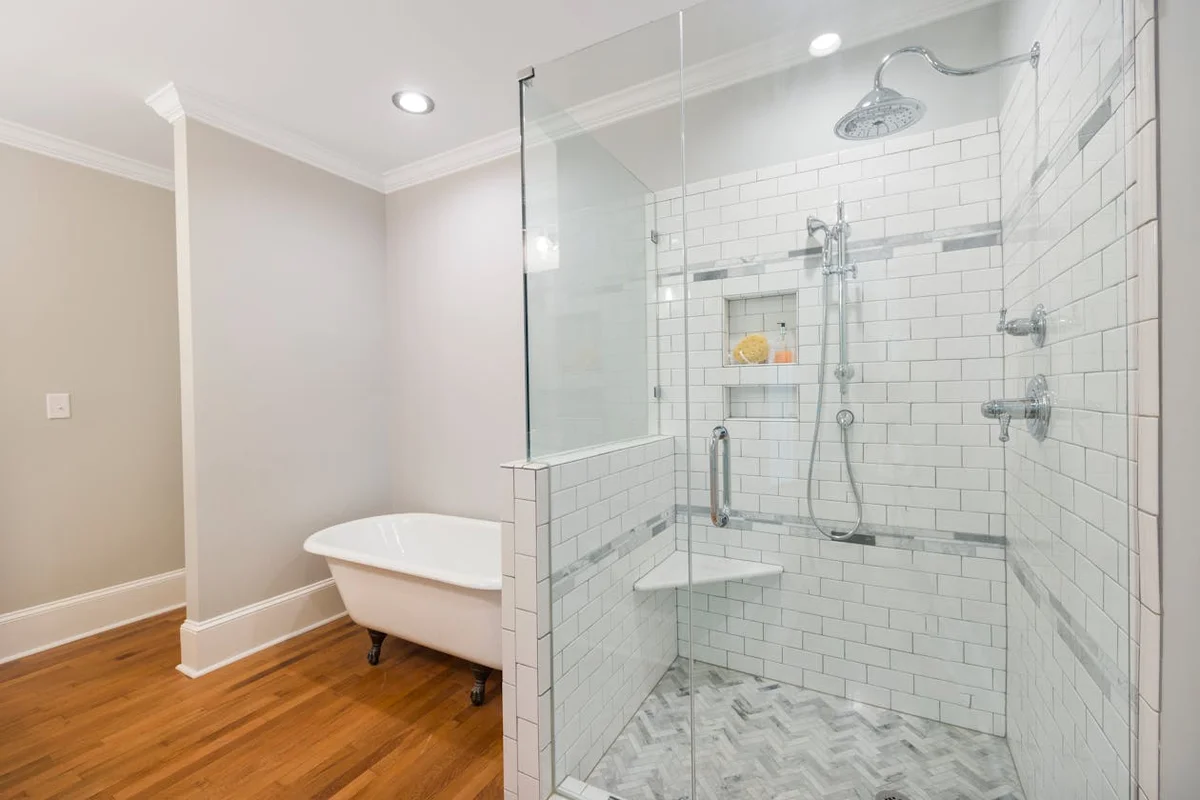
Space for both? Many of our clients opt for a spacious walk-in shower plus a freestanding soaking tub. Best of both worlds—daily convenience plus occasional luxury. See our spa bathroom ideas for inspiration.
Lifestyle Factors to Consider
Do You Have Young Children?
If yes, keep at least one tub in your home. Bathing babies and toddlers in a shower is awkward at best, impossible at worst. Once kids can shower independently (usually around age 7-8), a tub becomes optional.
Are You Planning for Aging in Place?
Walk-in showers—especially curbless designs—are significantly safer for aging. Stepping over tub edges becomes higher risk as mobility decreases. If you're over 50 or thinking about long-term livability, a walk-in shower in the master is smart planning. See our aging-in-place bathroom guide.
Do You Actually Take Baths?
Be honest. Many people have tubs they use once a year. If your current tub is basically a large shower floor, you might not miss it. If you genuinely relax in baths regularly, it matters.
What About Resale?
Most real estate advice says keep at least one tub in a home, especially for family-oriented neighbourhoods. A home with no bathtub can be harder to sell to families with young kids. However, a walk-in shower in the master ensuite (with a tub in another bathroom) is standard in higher-end homes and appeals to many buyers.
Resale Value Impact
Here's the reality in the Vancouver market:
- Walk-in shower in master + tub elsewhere: This is the sweet spot for resale. Buyers appreciate a nice shower in the ensuite and the option of a tub.
- No tubs in the home: Can limit your buyer pool. Families may pass, and some appraisers note it. More acceptable in condos and urban settings.
- Beautiful freestanding tub as feature: High-impact design element that photographs well and creates emotional appeal.
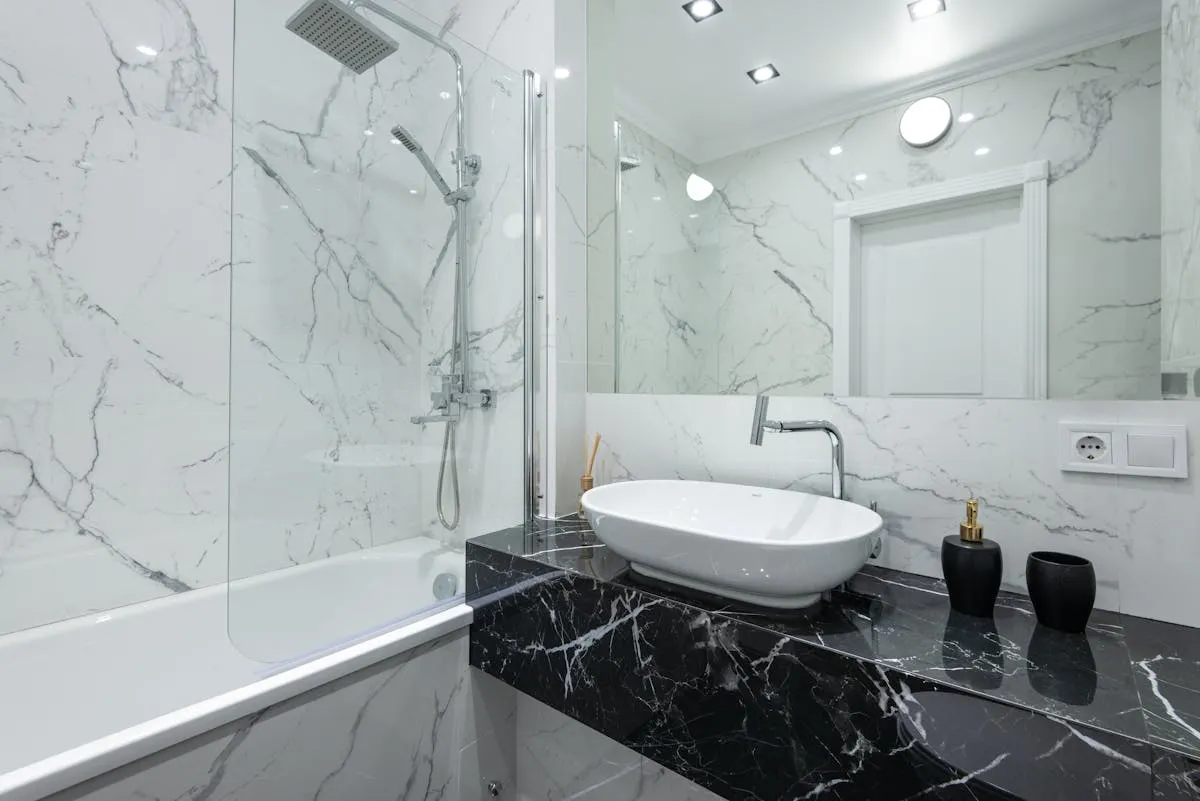
- Dated tub/shower combo: Does nothing for value. Often the first thing buyers want to change.
Our Recommendation
For most Vancouver homeowners, here's what we suggest:
- If this is your only bathroom: Keep a tub, or choose a tub/shower combo. Going shower-only in a one-bathroom home limits flexibility.
- If you have multiple bathrooms: Walk-in shower in the master, keep a tub in the secondary bathroom.
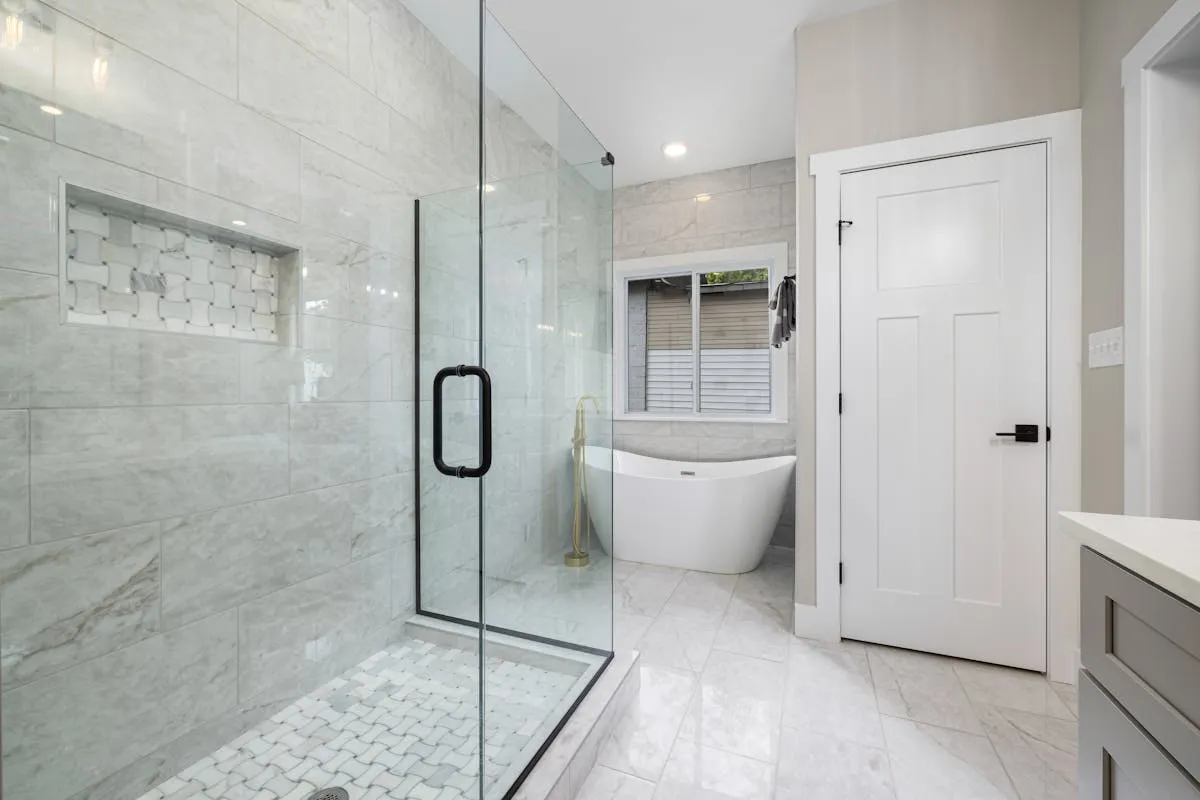
- If you have space in the master: Consider both—a walk-in shower and a freestanding tub.
- If accessibility matters: Prioritize a curbless walk-in shower.
- If you're in a condo: Shower-only is more accepted and often more practical given space constraints. See our condo bathroom guide.
Frequently Asked Questions
Is it cheaper to install a shower or a bathtub?
A basic alcove tub is typically cheaper than a comparable walk-in shower, mainly because of the glass enclosure cost. However, a quality tub/shower combo with tile surround ends up similar in price to a mid-range walk-in shower.
Does removing a bathtub decrease home value?
It can if it's the only tub in the home. If you have another tub elsewhere, removing one to create a walk-in shower typically doesn't hurt value—and may improve it if the new shower is well-designed.
What is a wet room?
A fully waterproofed bathroom where the shower isn't enclosed—the entire floor drains and everything is designed to get wet. Popular in European design and increasingly in modern Vancouver homes. More expensive due to full waterproofing requirements.
Can I convert a tub to a shower myself?
We don't recommend it. Proper waterproofing, drain repositioning, and tile work require experience. DIY shower conversions are one of the most common sources of water damage we see. This is a job for professionals.
How long does a tub-to-shower conversion take?
Typically 3-5 working days for a standard conversion. Curbless showers take longer. See our conversion guide for detailed timelines.
What if I can't decide?
Come talk to us. We can look at your space, discuss how you actually use your bathroom, and help you figure out what makes sense for your situation.
Get Help Deciding
Still not sure? We're happy to look at your bathroom, discuss your needs, and give you an honest recommendation. No pressure—just straightforward advice based on your situation.
See our full bathroom renovation services or contact us for a free consultation.
Share this article
Ready to Get Started?
Contact us for a free consultation and quote for your renovation project.
Request A Free QuoteWritten by Larsen
Professional finishing carpenter with over 10 years of experience in kitchen and bathroom renovations across Vancouver.